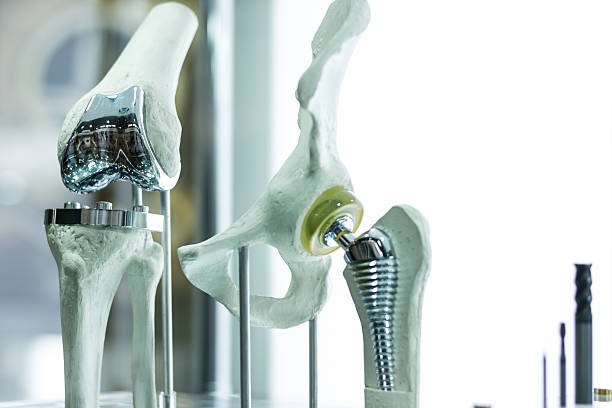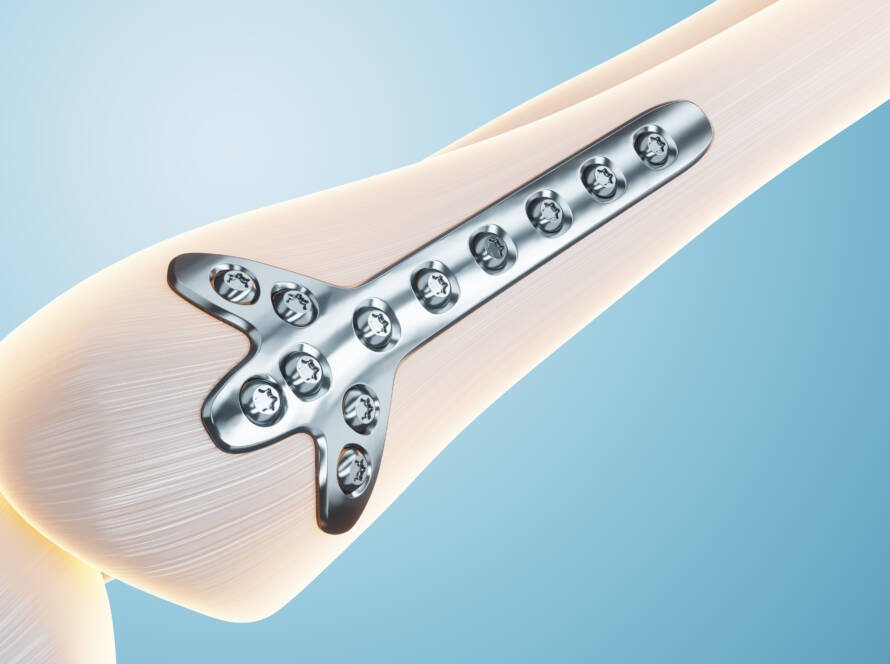

Joint replacement implants—such as knee and hip prostheses—are engineered to replicate natural movement while providing durability and comfort. Modern designs focus on biomechanics, load distribution, and precision articulation to restore mobility for patients suffering from arthritis, injury, or degeneration.
Materials used in joint implants include titanium, cobalt chrome, ceramics, and high-density polyethylene. Each material offers benefits like biocompatibility, wear resistance, and long-term durability. Surface coatings also play a key role by promoting bone ingrowth, improving fixation, and reducing micromotion.
Design features such as modular stems, cone cups, stabilized knee inserts, and optimized articulating surfaces are now standard in high-quality implants. These innovations improve joint stability, reduce wear, and support a more natural range of motion.
As a manufacturer, JK Digital NeoBone focuses on producing advanced joint implants that align with global performance standards while ensuring accessibility and cost-effectiveness for patients and healthcare institutions.